Absorbable Calcium Fact and Fiction
Absorbable calcium is not always absorbed. It also may not increase bone density. Buyer Beware.
Consider calcium carbonate: For many young adults, calcium carbonate is well absorbed.
Absorption rates may run between 30% and 35%. Younger people typically produce sufficient stomach acid to break down the strong bond between calcium and carbon that is needed for the body to absorb calcium carbonate. Older adults and those taking acid blocking products in certain situations may not have sufficient levels of stomach acid to make calcium carbonate an absorbable calcium. Without food, as little as four percent of calcium carbonate is bioavailable in those instances. Most scientists call that malabsorption.
Dr. Robert Heaney reviewed test methods for absorbable calcium. These include:
The balance method: It refers in this case not to total body balance, but to intestinal balance, i.e., the difference between what goes in at the mouth and what comes out in the feces.
Serum concentration: This approach is an analog of the classical pharmacokinetic measure used for drugs, i.e., it yields an area under the curve (AUC),3
Tracer method: [involving radioactive calcium tracers ingested]
Urine increment: [Measuring calcium in the urine] is even less sensitive than the serum method.
Target system effects: [Measuring impact of calcium on bone density, fracture risk or parathyroid hormone levels] get directly at the reason for taking the supplement in the first place. Their weaknesses lie in the fact that they are not easily calibrated and are often ill-suited for the testing of nutrients.
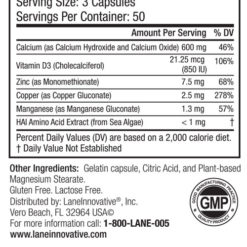
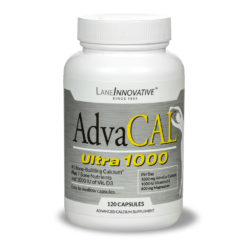
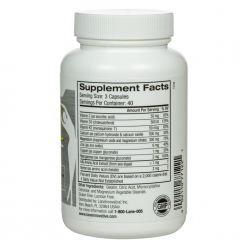
What is the most absorbable calcium type? After a long dispute between calcium citrate and calcium carbonate manufacturers, both sides appear to accept that either is an equally aborbable calcium when taken with food. Calcium citrate is a chelated calcium; other chelated calciums such as calcium gluconate, calcium citrate malate or calcium asparatate appear to have similar absorption rates to calcium carbonate and calcium citrate when taken with food. Calcium hydroxyappatite is different. It has low solubility and lacks significant clinical evidence on absorption and critical bone density enhancement, according to some bone experts. The AAACa in AdvaCAL has demonstrated higher rates of absorption to calcium carbonate and calcium lactate using balance and/or urine increment measures. All in all, absorption tests can be conflicting and confusing.
That may be why some researchers judge the merits of a type of calcium based on bone health changes such as bone density or fracture rates. With those measures, there are differences among
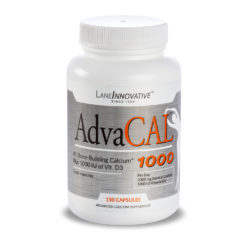
calciums. AAACa calcium in AdvaCAL supplements has shown signficant and consistent increases in bone density in four separate published clinical trials . Each trial also showed an average increase in bone density to average baseline (beginning) values. These trials involved postmenopausal women and men or elderly women. The track record for other absorbable calcium supplements, as demonstrated in a recent meta-analysis published in Osteoporosis International, lacks bone density change consistency. The same calcium may report a higher bone density to baseline in one study, but not in another. In that meta-analysis, postive and negative changes to baseline bone density values were evident for many different calciums. Therefore, one should be careful about choosing a supplement solely because it claims to be an absorbable calcium.
References:
Heaney, RP, Journal of Nutrition, 2001; 131:1344S-1348S
Nordin B.E.C. Osteoporosis Int'l (2009) 20:2135-2143

if you don’t