Foods High in Magnesium
Foods high in magnesium abound. These include a variety of green vegetables
(especially when raw), nuts and whole grains. Additionally, one should avoid consuming nutrients that may interfere with magnesium absorption or utilization. These can offset the net benefit of consuming foods high in magnesium.
According the National Insitutes of Health (NIH) Magnesium Fact Sheet:
“Some legumes (beans and peas), nuts and seeds, and whole, unrefined grains are also good sources of magnesium. Refined grains are generally low in magnesium. When white flour is refined and processed, the magnesium-rich germ and bran are removed…. Tap water can be a source of magnesium, but the amount varies according to the water supply. Water that naturally contains more minerals is described as "hard." "Hard" water contains more magnesium than "soft" water."
NIH List of Foods High In Magnesium (Excerpted)
|
FOOD |
Milligrams (mg) | %DV* |
| Halibut, cooked, 3 ounces | 90 | 20 |
| Almonds, dry roasted, 1 ounce | 80 | 20 |
| Cashews, dry roasted, 1 ounce | 75 | 20 |
| Soybeans, mature, cooked, ½ cup | 75 | 20 |
| Spinach, frozen, cooked, ½ cup | 75 | 20 |
| Nuts, mixed, dry roasted, 1 ounce | 65 | 15 |
| Cereal, shredded wheat, 2 rectangular biscuits | 55 | 15 |
| Oatmeal, instant, fortified, prepared w/ water, 1 cup | 55 | 15 |
| Potato, baked w/ skin, 1 medium | 50 | 15 |
| Peanuts, dry roasted, 1 ounce | 50 | 15 |
| Peanut butter, smooth, 2 Tablespoons | 50 | 15 |
| Wheat Bran, crude, 2 Tablespoons | 45 | 10 |
| Blackeyed Peas, cooked, ½ cup | 45 | 10 |
| Yogurt, plain, skim milk, 8 fluid ounces | 45 | 10 |
| Bran Flakes, ½ cup | 40 | 10 |
| Vegetarian Baked Beans, ½ cup | 40 | 10 |
| Rice, brown, long-grained, cooked, ½ cup | 40 | 10 |
| Lentils, mature seeds, cooked, ½ cup | 35 | 8 |
| Avocado, California, ½ cup pureed | 35 | 8 |
| Kidney Beans, canned, ½ cup | 35 | 8 |
According to the Linus Pauling Institute’s Micronutrient Information Center, certain nutrients can interact with foods high in magnesium. These include:
"Zinc: High doses of zinc in supplemental form apparently interfere with the absorption of magnesium. One study reported that zinc supplements of 142 mg/day in healthy adult males significantly decreased magnesium absorption and disrupted magnesium balance (the difference between magnesium intake and magnesium loss)
Fiber: Large increases in the intake of dietary fiber have been found to decrease magnesium utilization in experimental studies. However, the extent to which dietary fiber affects magnesium nutritional status in individuals with a varied diet outside the laboratory is not clear.
Protein: Dietary protein may affect magnesium absorption. One study in adolescent boys found that magnesium absorption was lower when protein intake was less than 30 grams/day, and higher protein intakes (93 grams/day vs. 43 grams/day) were associated with improved magnesium absorption in adolescents.
Vitamin D and calcium : The active form of vitamin D (calcitriol) may slightly increase intestinal absorption of magnesium. However, magnesium absorption does not seem to be calcitriol-dependent as is the absorption of calcium and phosphate. High calcium intake has not been found to affect magnesium balance in most studies.."
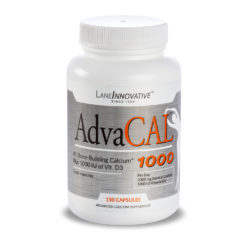
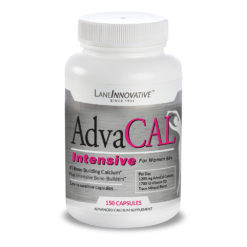
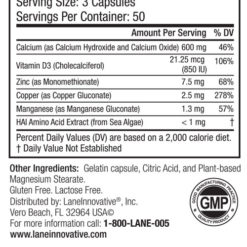
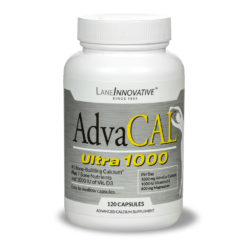
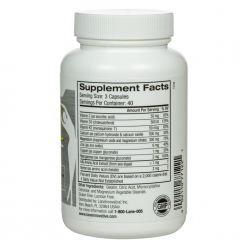
Certain bone support supplements feature added magnesium. For example, a daily serving of AdvaCAL 1000 Ultra provides 150% of the recommended daily value of magnesium. Such supplements can be taken to complement foods high in magnesium.

if you don’t